
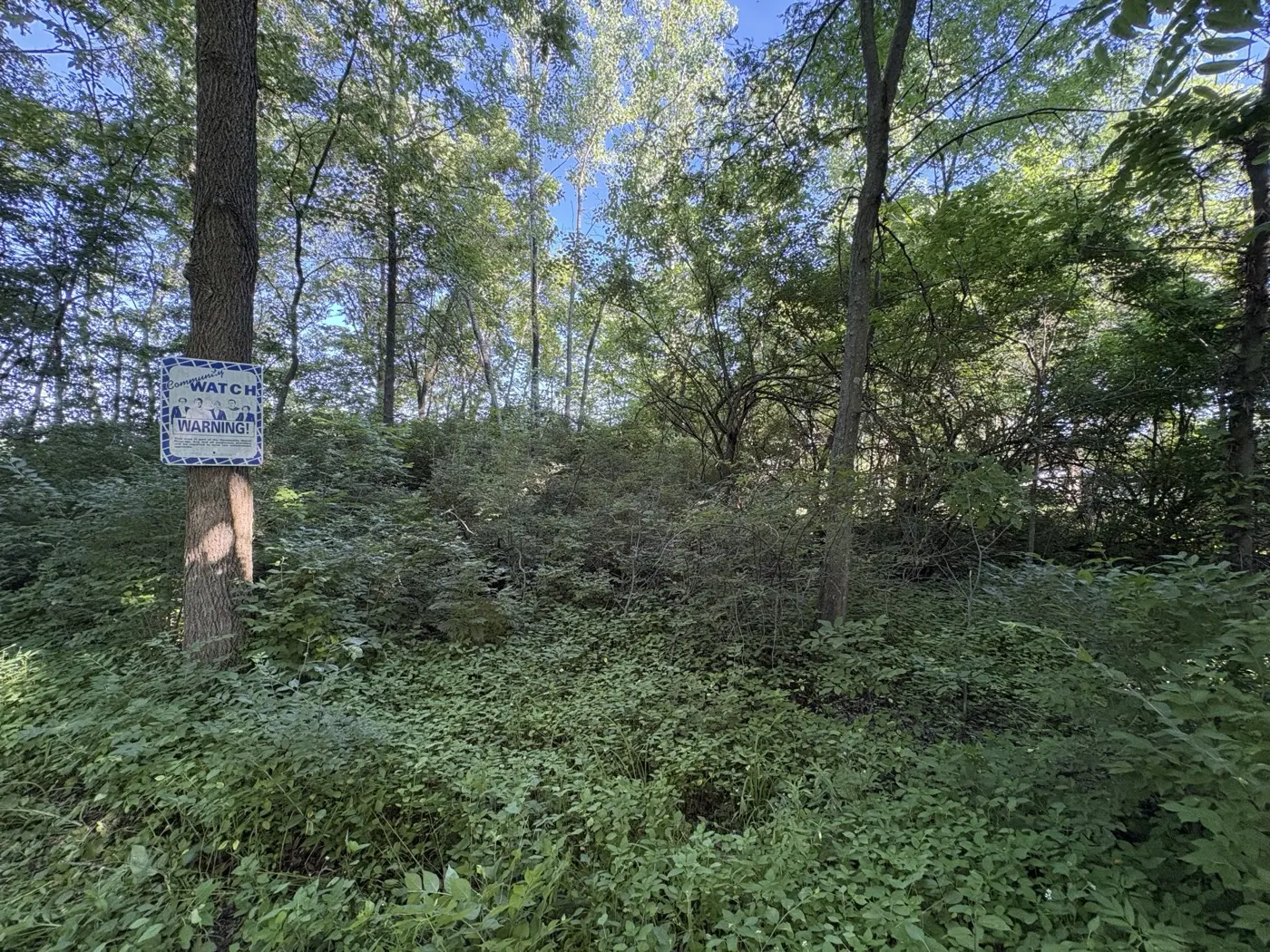
How do you actually get rid of autumn olive, multiflora rose, and honeysuckle?
You grind the standing growth to ground level, then you kill the resprouts, and you check the ground for a year or two after. That order matters. Mechanical removal resets the thicket. Follow-up makes it stick. Skipping either half is why so much cleared land in Ohio grows right back.
Our underbrush removal work is the first half of that plan, and our honeysuckle and invasive brush removal service is built for exactly this job. This guide covers the whole of it, including the parts that are not our machine.
Know your enemy: Ohio’s big three
Bush honeysuckle leafs out earlier and holds leaves later than the natives around it, and uses that head start to form what OSU Extension calls pure, dense thickets with nothing else growing beneath them. Autumn olive fixes its own nitrogen from root nodules, so it thrives on poor ground that starves better plants. Multiflora rose produces up to half a million seeds per plant per year, birds spread them everywhere, and seeds buried in the soil stay viable for 10 to 20 years.
All three sit on Ohio’s official invasive plant list, which bans their sale and distribution statewide. A bitter footnote: agencies used to recommend planting honeysuckle and autumn olive for wildlife cover. A lot of the worst thickets we clear started as somebody’s good deed in the 1970s.
Why mowing and cutting alone fail
OSU Extension’s factsheets say it plainly: cutting honeysuckle or autumn olive off at the base causes prolific sprouting and increases the number of stems. The root system is untouched and fully fueled, so it answers every cut with more shoots. Rose adds the seed bank problem on top, two decades of buried seeds waiting for sunlight.
That is why the one-time bulldoze or the annual angry mowing never wins. The plants are built to absorb exactly that kind of attack.
The plan that works
1. Mechanical reset. Our mulcher grinds the entire standing thicket, stems, canes, and all, into a chip layer, working around every keeper tree. Invasive thickets are dense but soft, so they grind fast, which is why this class of clearing usually prices in the moderate range of land clearing work rather than the top. The chip layer itself helps: it shades the soil surface and slows the seed bank down.
2. Kill the resprouts. When the stumps push new shoots, that regrowth gets treated, the cut-stump and foliar herbicide methods OSU Extension publishes for exactly these species. On repeated mowing alone, OSU notes small honeysuckle can eventually exhaust its reserves, but chemistry on the resprout is the reliable finish. We tell every client this up front rather than selling the grind as a cure.
3. Monitor a year or two. OSU recommends watching treated ground for one to two years and hitting anything that returns. By year two the native grass, seedlings, or pasture you wanted is established and the ground defends itself.
What you get back
On pasture, you get grazing acres back, which is the whole story of our pasture reclamation work. On woodlots, you get oak regeneration and open ground under the canopy, and ODNR’s wildlife biologists will tell you the deer, turkey, and grouse follow the mast and the native understory back in. On any land, you get edges that stop advancing on the useful ground every summer.
The thicket took a decade to build. Clearing it takes a day or two of machine work and a little follow-through. If a wall of honeysuckle or rose is holding ground you own, the free estimate walk is where the plan starts.